


Acne Scar Concerns
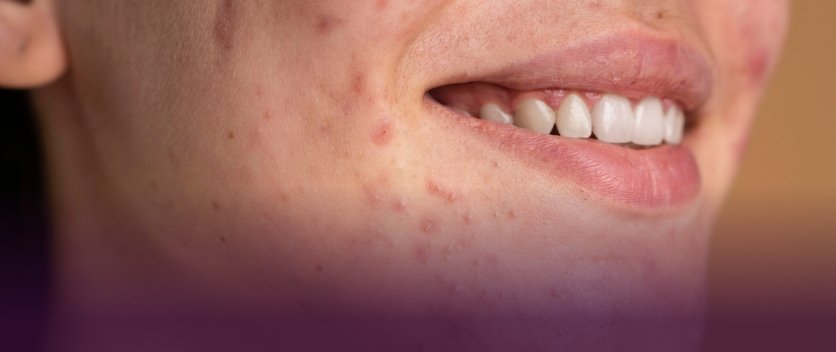
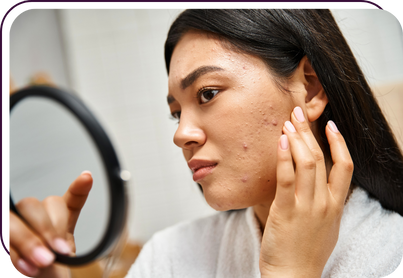
Are acne scars causing you distress and affecting your self-confidence? You’re not alone. Acne scars are a common concern for many individuals, but the good news is that effective treatments are available to help improve the appearance of your skin and restore your confidence.
Understanding Acne Scars
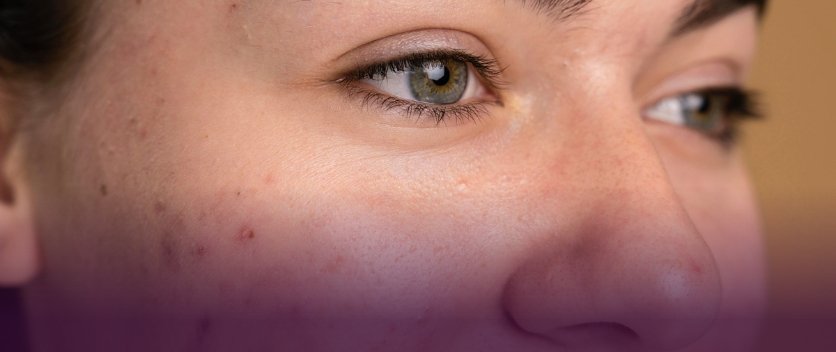
Acne scars can develop as a result of inflammatory acne lesions, such as cysts, papules, pustules, or nodules, that damage the skin’s collagen and elastin fibers. There are different types of acne scars, including:
Types of Acne Scars
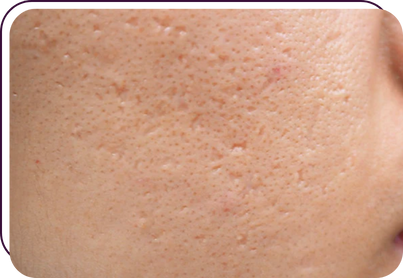
Ice Pick Scars
Deep, narrow scars that resemble small puncture marks on the skin.
Boxcar Scars:
Broad, depressed scars with sharply defined edges.
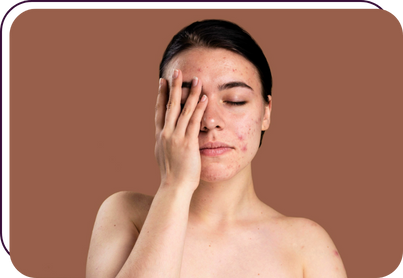
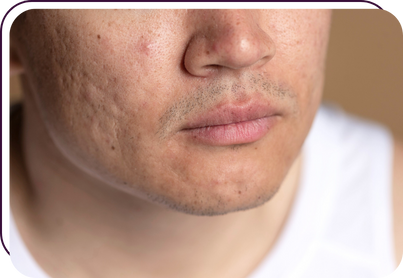
Rolling Scars:
Wave-like depressions that give the skin a rolling or undulating appearance.
Hypertrophic Scars:
Raised scars that develop when the body produces too much collagen during the healing process.
Treatment Options for Acne Scars:
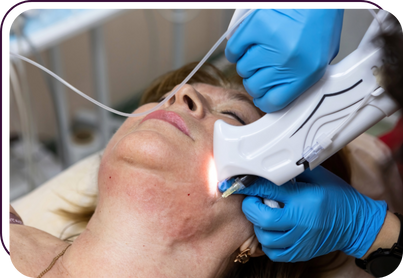
Laser Therapy:
Laser treatments, such as fractional laser therapy or intense pulsed light (IPL) therapy, can help stimulate collagen production and resurface the skin, reducing the appearance of acne scars.
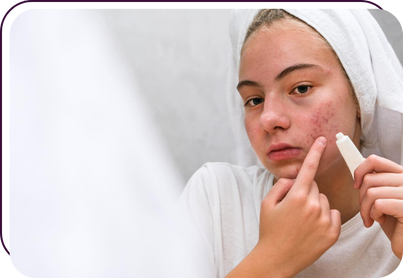
Topical Treatments:
Certain topical treatments, such as retinoids or alpha hydroxy acids (AHAs), can help improve the appearance of acne scars over time by promoting cell turnover and collagen production.
Microneedling:
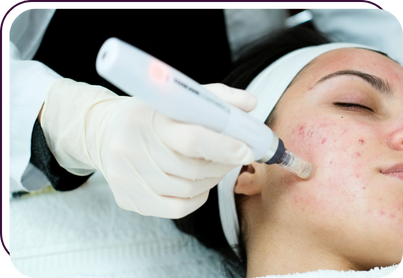
Microneedling involves the use of tiny needles to create micro-injuries in the skin, stimulating collagen production and promoting smoother, more even skin texture.
Chemical Peels:
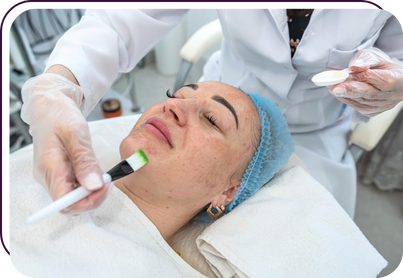
Chemical peels involve the application of a chemical solution to the skin, which exfoliates the outer layer of damaged skin cells and promotes the growth of new, healthier skin.
Schedule Your Consultation Today!
If you’re concerned about acne scars and looking for effective treatment options, we’re here to help. Contact us to schedule a consultation with one of our experienced dermatologists. We can assess your scar type, skin condition, and treatment goals and recommend an appropriate treatment plan.
Frequently Asked Questions
Acne scars form when breakouts penetrate deep into the skin and damage the underlying tissues. Picking, popping, or delaying treatment can increase the chances of scarring, especially in severe or cystic acne.
Common types include indented scars like ice pick, boxcar, and rolling scars, and raised scars such as hypertrophic or keloid scars. Dark spots (PIH) are also common but not true scars.
Effective treatments include microneedling, chemical peels, laser resurfacing, subcision, and dermal fillers. A combination of these often gives the best results.
Complete removal is unlikely, but many treatments can significantly reduce their appearance and improve skin texture over time.
Results vary, but most people see noticeable improvement within a few weeks to months, especially with multiple treatment sessions.