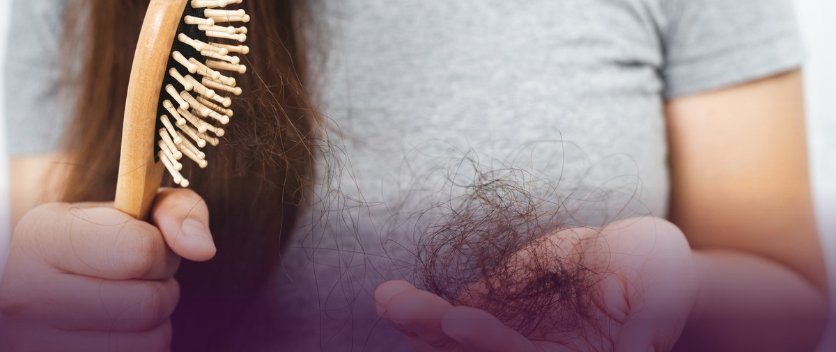
Hair Loss Treatment in Pune
Welcome to Lifero Skin and Hair Clinic's hair loss concerns page. Hair loss can affect people of all ages and may appear as gradual thinning, excessive shedding, a receding hairline, or noticeable bald patches. Identifying the underlying cause is an important first step toward choosing an appropriate treatment plan.
Our dermatology and hair care team provides personalized evaluation and discusses suitable treatment options based on your hair loss pattern, scalp condition, medical history, and individual needs.
What Causes Hair Loss?
01
Genetics
Male and female pattern hair loss, also known as androgenetic alopecia, is a common form of hair loss influenced by genetic and hormonal factors.
02
Hormonal Changes
Hormonal changes associated with conditions such as pregnancy, childbirth, menopause, or thyroid disorders may contribute to hair shedding or thinning.
03
Medical Conditions
Certain conditions, including alopecia areata, scalp infections, autoimmune disorders, and some systemic illnesses, can contribute to hair loss.
04
Stress
Significant physical or emotional stress may trigger temporary increased shedding, including a condition known as telogen effluvium.
05
Nutritional Deficiencies
Inadequate levels of important nutrients, including iron, vitamin D, and protein, may affect hair health in some individuals.
Hair Loss Treatment Options
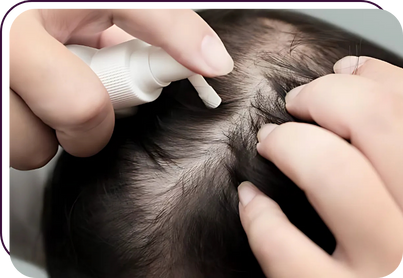
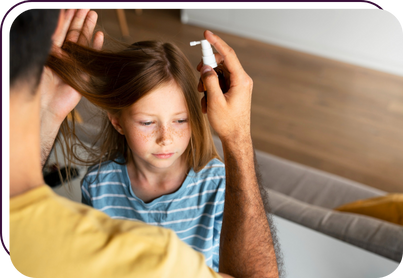
Topical Treatments
Depending on the diagnosis, topical treatments such as minoxidil may be recommended to help manage certain forms of hair loss and support hair growth.
Oral Medications
Certain prescription medications may be considered for specific types of hair loss. The choice of medication depends on factors such as the diagnosis, medical history, age, sex, and potential risks.
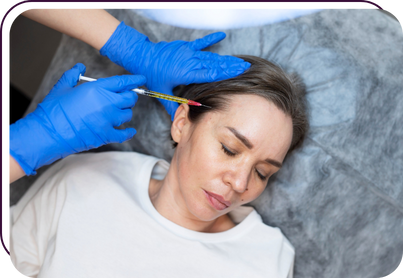
Platelet-Rich Plasma (PRP) Therapy
PRP therapy uses a concentrated preparation derived from your own blood. It may be considered as part of a dermatologist-led treatment plan for selected types of hair thinning and hair loss.
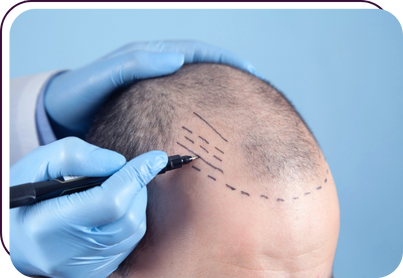
Hair Transplant Surgery
Hair transplantation may be an option for selected patients with areas of persistent thinning or baldness. Techniques such as follicular unit extraction (FUE) are planned according to the patient's hair loss pattern and donor hair availability.
Consultation and Evaluation
If you are concerned about hair loss or hair thinning, a consultation with a qualified dermatologist can help identify possible causes and determine appropriate treatment options. Your evaluation may consider your pattern of hair loss, scalp health, medical history, medications, family history, and other relevant factors.
At Lifero Skin and Hair Clinic, treatment recommendations are personalized according to the individual's condition and treatment goals.
Frequently Asked Questions About Hair Loss
Hair loss can be associated with genetics, hormonal changes, stress, nutritional deficiencies, certain medications, or underlying medical conditions such as thyroid disorders or alopecia.
Not exactly. Hair loss refers to shedding or loss of hair, while hair thinning describes reduced hair density or volume. Both can occur together or separately depending on the underlying cause.
Many types of hair loss can be managed with treatments such as topical or oral medications, PRP therapy, hair transplantation, and lifestyle or nutritional measures, depending on the diagnosis.
Some daily hair shedding is normal. Persistent excessive shedding, noticeable thinning, bald patches, or scalp symptoms should be evaluated by a dermatologist.
Consider consulting a dermatologist if hair loss is sudden, patchy, persistent, rapidly progressing, or accompanied by scalp irritation or other symptoms.