


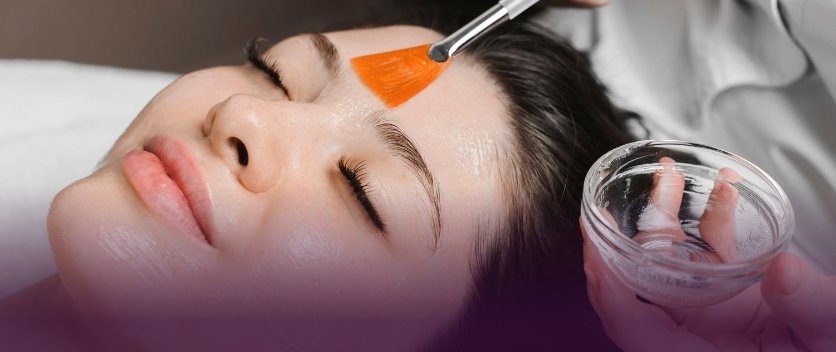
Chemical Peel Treatment for Healthier-Looking Skin
At Lifero Skin and Hair Clinic, we provide personalized chemical peel treatments designed to improve the appearance and texture of the skin. Depending on your skin concerns and clinical assessment, a suitable peel may help address pigmentation, acne, acne scars, uneven skin tone, fine lines and dull-looking skin.
Our approach focuses on selecting an appropriate peel strength and treatment plan based on your skin type, concerns and desired outcomes. A consultation helps determine whether a chemical peel is suitable for you and which approach may be appropriate.
What Is a Chemical Peel?
A chemical peel is a skin-resurfacing treatment in which a chemical solution is applied to the skin to exfoliate selected layers. As the treated skin sheds, new skin can appear smoother and more even-looking.
How Does a Chemical Peel Work?
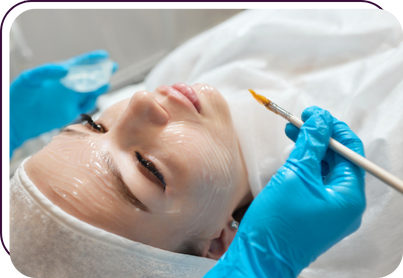
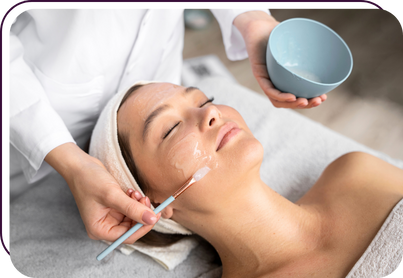
During a chemical peel, a selected chemical solution is applied to the skin for a controlled period. The solution exfoliates targeted layers of skin, and the depth of treatment depends on the type and concentration of the peel. The appropriate formulation is selected according to your skin type, concerns and treatment goals.
Types of Chemical Peels

Superficial Peels
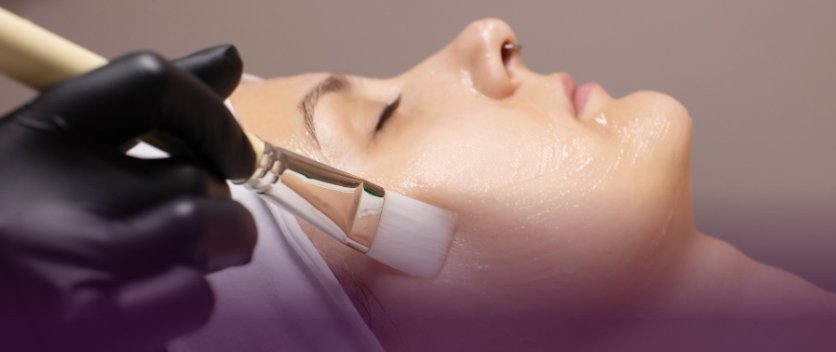
Superficial peels use relatively mild acids to exfoliate the outermost layers of the skin. Depending on the formulation, they may be used to improve skin texture, mild discoloration and dull-looking skin.

Medium-Depth Peels
Medium-depth peels penetrate deeper into the skin than superficial peels and may be used for selected concerns such as pigmentation, acne scars, fine lines and uneven skin texture. They generally involve more recovery than superficial peels.

Deep Peels
Deep chemical peels penetrate further into the skin and may be considered for selected severe skin concerns. They require careful clinical assessment and generally involve more significant recovery and potential risks than lighter peels.
Benefits of Chemical Peels
- Improved skin texture and smoothness
- More even-looking skin tone
- May help improve acne and acne-related marks
- May reduce the appearance of fine lines
- May improve the appearance of pigmentation and dark spots
- Helps remove accumulated dead skin cells

Our Approach
At Lifero Skin and Hair Clinic, we take a personalized approach to skin care. Every patient's skin is different, so our treatment recommendations are based on individual concerns, skin characteristics, medical history and treatment goals.

Expert Evaluation & Treatment Planning
During your consultation, our clinical team will assess your skin and discuss your concerns, previous treatments and expectations. This evaluation helps determine whether a chemical peel is suitable and which treatment approach may be appropriate.

Ongoing Care & Support
We provide aftercare guidance and monitor your progress according to your treatment plan. Our team can also advise you on appropriate skin care and follow-up based on the type of chemical peel performed.
Is Chemical Peel Treatment Right for You?
Chemical peels may be considered for people concerned about uneven skin tone, pigmentation, acne, acne scars, dull-looking skin, rough texture or certain signs of skin aging. Suitability depends on factors such as your skin type, current skin condition, medical history, medications and the depth of treatment being considered.
Treatment suitability, risks, recovery time and results vary from person to person. A consultation with a qualified clinician is recommended before undergoing treatment.
Frequently Asked Questions
A chemical peel is a skin-resurfacing procedure that uses a chemical solution to exfoliate selected layers of the skin, promoting smoother and more even-looking skin.
Depending on the type and depth of the peel, chemical peels may help address concerns such as acne, acne scars, pigmentation, fine lines, sun damage, uneven skin tone and dull-looking skin.
Yes. Chemical peels are commonly categorized as superficial, medium-depth or deep peels. The appropriate type depends on your skin condition, treatment goals and clinical assessment.
Recovery varies according to the type and strength of the peel. Superficial peels generally have less downtime, while medium and deep peels may involve more noticeable peeling and a longer recovery period.
The number of sessions varies depending on the skin concern, peel type and individual response. Some patients may notice improvement after one treatment, while others may benefit from a series of treatments recommended by their clinician.