
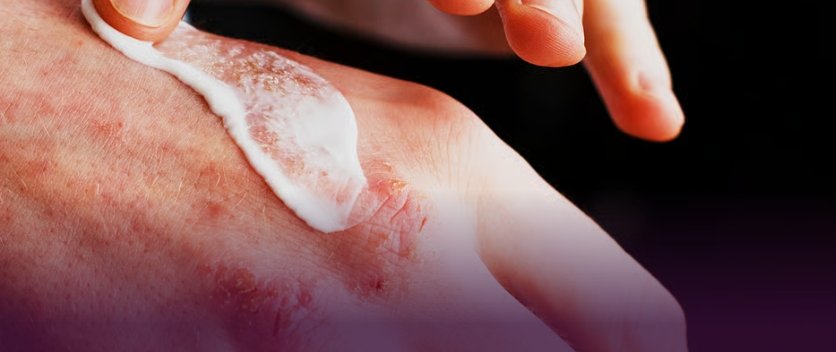
Understanding Dermatitis
Dermatitis is a common inflammatory skin condition that may cause redness, itching, dryness, irritation and, in some cases, blisters or scaling. It can affect people of different ages and may occur on various areas of the body.
At Lifero Skin and Hair Clinic, our dermatology team focuses on understanding the type of dermatitis, possible triggers and individual skin needs before discussing appropriate treatment and skin-care measures.
What Is Dermatitis?
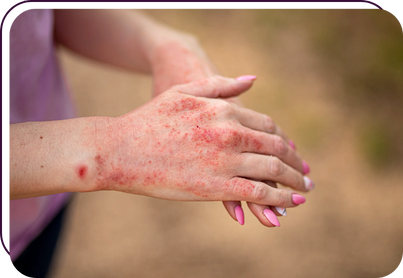
Dermatitis is an inflammatory skin condition commonly associated with symptoms such as redness, itching, dryness, irritation and scaling. Depending on the type, symptoms may be acute, recurrent or longer-lasting.
Types of Dermatitis
Atopic Dermatitis
Atopic dermatitis is a common form of eczema. It often begins during childhood but can also affect adults. People with a personal or family history of allergic conditions may be more likely to develop it.
Contact Dermatitis
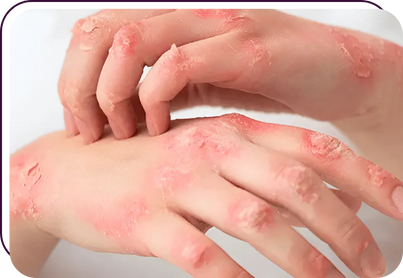
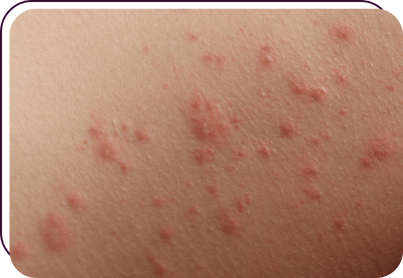
Contact dermatitis can occur after direct exposure to an irritant or an allergen. Irritant contact dermatitis may result from substances such as detergents, chemicals or solvents, while allergic contact dermatitis results from an immune response to a specific substance.
Seborrheic Dermatitis
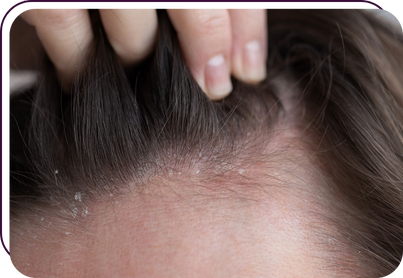
Seborrheic dermatitis commonly affects areas with a higher concentration of oil glands, including the scalp, face and upper chest. It may cause redness, scaling and flaking and can be recurrent.
Nummular Dermatitis
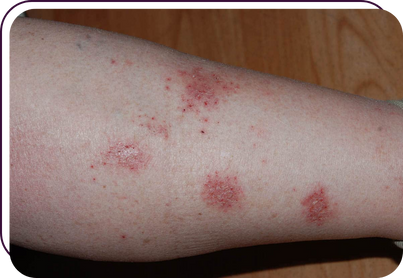
Nummular dermatitis can appear as circular or coin-shaped areas of irritated, dry, scaly or itchy skin. It may become more noticeable when the skin is dry.
Dermatitis Treatment Approaches
At Lifero Skin and Hair Clinic, dermatitis management is based on the type of dermatitis, symptoms, severity, affected body area and potential triggers. Depending on the individual case, treatment and care may include the following approaches.
01
Topical Medications
Prescription or over-the-counter creams, ointments or lotions may be recommended depending on the type of dermatitis. Anti-inflammatory medicines and other topical treatments may help manage inflammation, itching and irritation when appropriately selected.
02
Phototherapy
In selected cases, phototherapy using controlled ultraviolet light may be considered for managing certain types of dermatitis when other approaches are not sufficient or appropriate.
03
Avoiding Triggers
Identifying and reducing exposure to irritants, allergens or environmental factors that trigger symptoms can be an important part of dermatitis management.
04
Emollients and Moisturizers
Regular use of suitable moisturizers and emollients can support the skin barrier, reduce dryness and help maintain skin hydration.
05
Lifestyle and Skin-Care Measures
A suitable bathing routine, gentle skin care, appropriate moisturization and avoidance of known triggers can support ongoing dermatitis management.
06
Wet Dressings and Bandages
In selected acute or more severe cases, wet dressings or other protective measures may be recommended as part of a clinician-directed treatment plan.
Ongoing Support and Care
Dermatitis can sometimes be recurrent or require ongoing management. At Lifero Skin and Hair Clinic, follow-up care can help monitor symptoms, review potential triggers and adjust the care plan when necessary.
Schedule a Dermatology Consultation
If you or a family member is experiencing persistent itching, redness, dryness, irritation or recurring skin flare-ups, consider consulting a dermatologist for an appropriate assessment and treatment plan.
Book an appointment with Lifero Skin and Hair Clinic to discuss your skin concerns.
Frequently Asked Questions About Dermatitis
Treatment depends on the type and severity of dermatitis. Management may include moisturizers, anti-inflammatory treatments recommended by a clinician and avoiding known triggers.
Many forms of dermatitis can be managed effectively, although some types may be recurrent or chronic. Treatment focuses on controlling symptoms, protecting the skin barrier and reducing exposure to triggers.
Topical corticosteroids can be effective for reducing inflammation and itching when used appropriately. The strength, location and duration of treatment should be determined according to the individual's condition and medical advice.
Recovery time varies depending on the type and severity of dermatitis, the trigger and the treatment used. Some cases improve within days, while chronic or severe dermatitis may require longer-term management.
Potential triggers may include harsh soaps, detergents, fragrances, certain fabrics, irritants and allergens. Identifying individual triggers can help reduce flare-ups.