
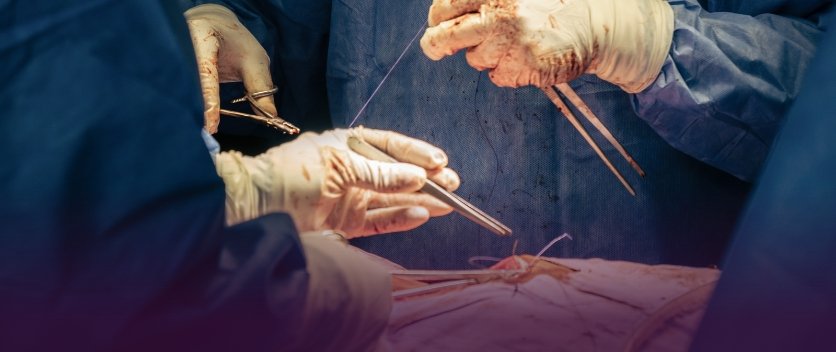
Understanding Circumcision Surgery: Benefits, Risks and Considerations
Circumcision is a surgical procedure that involves removing the foreskin, the fold of skin that covers the glans of the penis. It may be performed for medical, cultural, religious or personal reasons.
At Lifero Skin and Hair Clinic, we focus on patient safety, appropriate clinical assessment and clear communication before and after treatment. A consultation allows your clinician to discuss whether circumcision is appropriate for you or your child, along with the expected procedure, recovery and potential risks.
What Is Circumcision Surgery?
Circumcision is the surgical removal of the foreskin, the fold of skin that covers the glans of the penis. The procedure can be performed for medical, cultural, religious or personal reasons. The appropriate approach depends on the patient's age, medical history, anatomy and reason for treatment.
Potential Benefits of Circumcision Surgery

Reduced Risk of Certain Infections
Circumcision has been associated with a reduced risk of certain infections in specific populations. The potential benefits vary according to age, individual circumstances and other health factors.

Easier Hygiene
Removal of the foreskin can make some aspects of penile hygiene simpler. Good hygiene remains important regardless of whether a person is circumcised.

Potential Reduction in Certain Health Risks
Research has associated circumcision with differences in the risk of certain medical conditions. The degree of benefit varies, and circumcision does not eliminate the need for appropriate medical care or preventive measures.
Our Circumcision Surgery Procedure
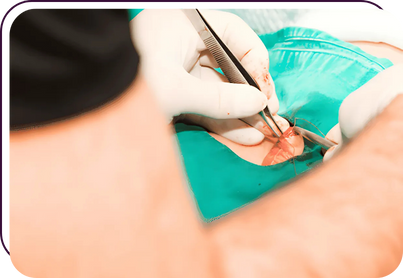
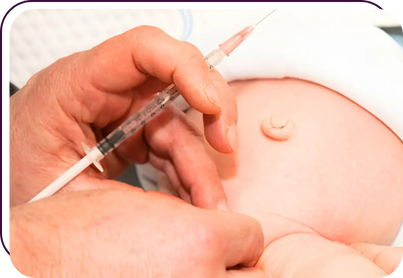
Circumcision is performed following a clinical assessment and discussion of the appropriate treatment approach. Anesthesia is used according to the patient's age, medical needs and procedure. Our team provides instructions for preparation, wound care, recovery and follow-up.
Is Circumcision Surgery Right for You or Your Child?
Deciding whether to undergo circumcision is a personal decision that should take into account medical circumstances, age, individual preferences and family considerations. A consultation with a qualified healthcare professional can help you understand the potential benefits, risks, alternatives and expected recovery before making a decision.
Important: Treatment suitability, risks, recovery time and outcomes vary from person to person. A clinical consultation is required to determine the appropriate treatment and care plan.
Frequently Asked Questions About Circumcision Surgery
Circumcision is a surgical procedure in which the foreskin covering the glans of the penis is removed. It may be performed for medical, cultural, religious or personal reasons.
Appropriate anesthesia is used during circumcision to reduce or prevent pain during the procedure. Some discomfort, swelling or tenderness can occur during recovery.
Recovery varies depending on the individual, age and procedure. Many patients can return to light activities relatively soon, while complete healing may take several weeks. Your clinician will provide personalized recovery instructions.
As with any surgical procedure, circumcision can involve risks such as bleeding, infection, swelling, pain or scarring. Your clinician will explain the potential risks and appropriate aftercare before treatment.
The timing varies according to the procedure and individual healing. Light activities may be resumed when comfortable, while strenuous exercise and sexual activity should be avoided until your clinician confirms that it is safe.