


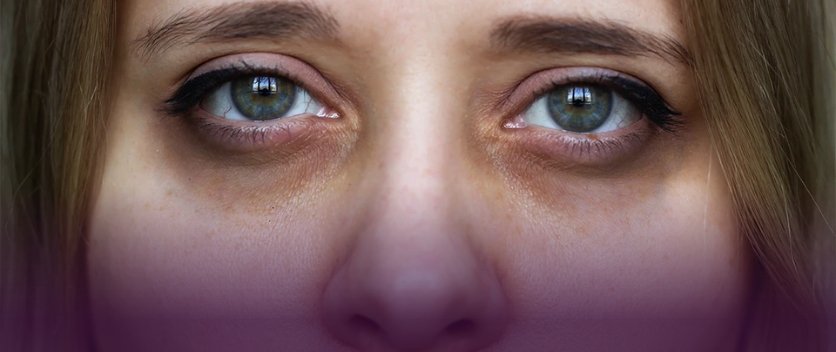
Dark Circles: Understanding Causes and Solutions
Dark circles under the eyes are a common cosmetic concern that can affect people of different ages and skin types. They may make the eyes appear tired or less refreshed. The appearance of dark circles can be influenced by several factors, including genetics, pigmentation, thin skin, visible blood vessels, aging, allergies, lifestyle factors and changes in the under-eye area.
At Lifero Skin and Hair Clinic, understanding the possible contributing factors is an important part of selecting an appropriate approach. Treatment options can vary depending on whether pigmentation, vascular visibility, skin texture, volume loss or other factors are contributing to the appearance of dark circles.
Causes and Contributing Factors of Dark Circles
01
Genetics
Some individuals may be genetically predisposed to darker pigmentation or other under-eye characteristics that can contribute to the appearance of dark circles.
02
Thin Under-Eye Skin
The skin around the eyes is naturally thin and delicate. This can make underlying blood vessels or tissue structures more visible and contribute to a darker appearance.
03
Lifestyle Factors
Sleep patterns, sun exposure, dehydration and other lifestyle factors may influence the appearance of the skin around the eyes.
04
Allergies and Nasal Congestion
Allergies and nasal congestion may contribute to under-eye puffiness and changes in the appearance of the skin around the eyes.
Treatment Options for Dark Circles
The most appropriate treatment depends on the likely cause of the dark circles and the individual's skin characteristics. A professional assessment can help determine which options may be suitable.
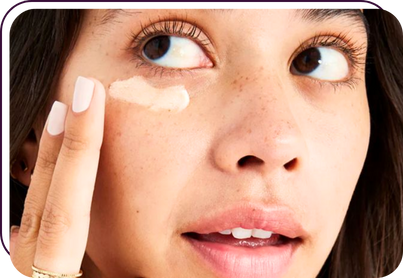
Topical Treatments
Skincare products containing ingredients such as retinol, vitamin C, hyaluronic acid and peptides may help support skin texture and improve the appearance of some types of dark circles. Product selection should be appropriate for the sensitive under-eye area.
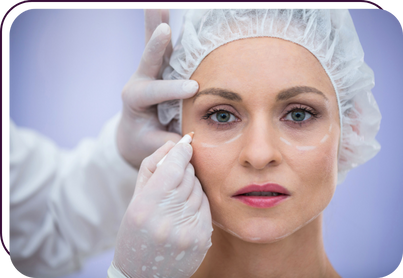
Medical Treatments
Depending on the underlying cause, treatment options may include selected laser-based procedures, chemical peels, dermal fillers or platelet-rich plasma (PRP) therapy. These approaches are selected according to individual concerns and clinical suitability.

Home Care and Lifestyle Measures
Simple measures such as adequate hydration, sun protection, sufficient sleep and a gentle skincare routine may support the appearance and overall health of the under-eye area. Cold compresses may also help temporarily reduce puffiness.
Consultation and Personalized Treatment Plan
If dark circles are a persistent concern, a consultation can help identify the factors that may be contributing to their appearance. At Lifero Skin and Hair Clinic, the assessment can include discussion of your concerns, skin characteristics and treatment goals before an appropriate approach is recommended.
Frequently Asked Questions About Dark Circles
Dark circles may be influenced by genetics, thin under-eye skin, visible blood vessels, pigmentation, aging, allergies, sleep patterns, dehydration, sun exposure and other individual factors.
Depending on the underlying cause, treatment options may include appropriate skincare, topical products, chemical peels, selected laser-based procedures, dermal fillers or platelet-rich plasma (PRP) therapy. A consultation can help determine which options may be appropriate.
Results vary depending on the cause of dark circles, the treatment selected and individual skin characteristics. Some improvements may require maintenance and ongoing skincare.
Comfort and downtime vary by treatment. Some skincare options involve little or no discomfort, while procedures may involve topical anaesthesia or other comfort measures.
The time needed to notice improvement varies according to the cause and treatment. Some treatments may require several weeks or multiple sessions for visible changes.