

Complete Guide to Eczema
Welcome to Lifero Skin and Hair Clinic's page dedicated to eczema treatment and care. Eczema is a group of inflammatory skin conditions that can cause symptoms such as dryness, itching, redness and irritation. Our dermatology team can assess your symptoms and help develop an appropriate care plan based on your skin condition, medical history and individual concerns.
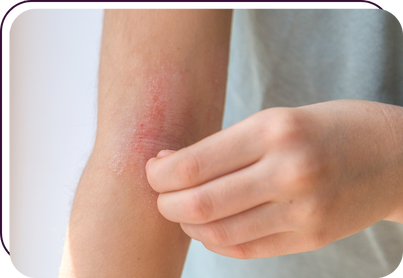
Understanding Eczema
Eczema, also known as dermatitis in some contexts, refers to inflammatory skin conditions that may cause redness, itching, dryness and irritation. Some forms can also produce scaling, thickened skin or small fluid-filled blisters. Eczema can affect people of different ages, and symptoms may vary from person to person.
Comprehensive Consultation
During your consultation, the dermatologist will assess your skin and discuss your symptoms, medical history, skincare routine, lifestyle factors and possible triggers. This assessment helps determine the type and severity of the condition and guides the treatment approach.
Personalized Treatment Plan
Based on the clinical assessment, an individualized treatment plan may be recommended. Depending on the type and severity of eczema, treatment can involve skincare measures, topical medicines, trigger management, phototherapy or other treatments when clinically appropriate.
Treatment Options
Moisturizers and Emollients
Regular moisturization can help reduce dryness and support the skin barrier. Your dermatologist may recommend an appropriate moisturizer or emollient based on your skin type, symptoms and treatment needs.
Topical Corticosteroids
Topical corticosteroids may be prescribed for certain eczema flare-ups to reduce inflammation, redness and itching. The strength, frequency and duration of use should be determined by a qualified clinician.
Topical Immunomodulators
Depending on the condition and treatment requirements, a dermatologist may recommend topical medicines that modify local immune activity, such as calcineurin inhibitors. Suitability depends on the individual clinical assessment.
Phototherapy (Light Therapy)
Phototherapy may be considered for selected patients with eczema when appropriate. Specific wavelengths of light can be used under clinical supervision to help manage inflammation and symptoms.
Lifestyle and Trigger Management
Your dermatologist may recommend measures to reduce exposure to personal triggers and irritants. These may include appropriate skincare, avoiding known irritants, maintaining skin hydration and making practical lifestyle adjustments.
Support and Follow-Up
Eczema management may require ongoing care. Follow-up appointments can help monitor symptoms, assess the response to treatment and adjust the care plan when necessary. Your dermatologist can also address questions about skincare, flare-ups and treatment-related concerns.
Expert Evaluation and Diagnosis
During the consultation, the dermatologist will consider your symptoms, medical history, duration and pattern of flare-ups, possible triggers and other relevant clinical information. In some cases, additional evaluation may be required to distinguish eczema from other skin conditions with similar symptoms.
Schedule a Consultation
If you are experiencing persistent itching, dryness, redness or recurring skin irritation, consider discussing your symptoms with a dermatologist. Lifero Skin and Hair Clinic can assess your concerns and discuss suitable treatment and skincare options based on your individual needs.
Frequently Asked Questions
Eczema, also called atopic dermatitis in one common form, is a group of inflammatory skin conditions that can cause dryness, itching, redness and inflammation.
Treatment focuses on maintaining the skin barrier, reducing inflammation when necessary, managing symptoms and identifying personal triggers. Depending on the condition, treatment may include moisturizers, topical medicines, phototherapy or other clinician-recommended options.
Eczema can be a chronic or recurring condition. Symptoms may improve or flare at different times, and management depends on the type of eczema, individual triggers and response to treatment.
Potential triggers vary between individuals and may include soaps, detergents, irritants, heat, sweating, stress and certain allergens. Identifying personal triggers can help with eczema management.
Regular use of moisturizers can help support the skin barrier and reduce dryness. Your dermatologist can recommend an appropriate skincare routine based on your skin type and symptoms.