


Pigmentation Concerns
Pigmentation concerns, such as dark spots, uneven skin tone, and hyperpigmentation, can affect individuals of all ages and skin types. At our clinic, we understand the impact that pigmentation issues can have on your confidence and overall well-being. That’s why we offer comprehensive solutions to address pigmentation concerns and help you achieve a more radiant, even-toned complexion.

Understanding Pigmentation Concerns:
Pigmentation refers to the color of the skin, which is influenced by melanin produced by melanocytes. While pigmentation is a normal part of healthy skin, increased or uneven melanin production can contribute to concerns such as hyperpigmentation, melasma, sunspots, post-inflammatory hyperpigmentation, and uneven skin tone.
Common Types of Pigmentation

Hyperpigmentation
Dark patches or spots on the skin caused by an overproduction of melanin. Common types of hyperpigmentation include sunspots, melasma, and post-inflammatory hyperpigmentation (PIH).
Sun Damage:
Ultraviolet (UV) rays can contribute to sunspots, freckles, and other forms of sun-induced pigmentation.


Uneven Skin Tone:
Uneven distribution of melanin across the skin's surface can result in an irregular or blotchy appearance.
Our Approach to Pigmentation Care
Topical Treatments:
Prescription-strength topical creams and serums containing ingredients such as hydroquinone, retinoids, vitamin C, and niacinamide can help lighten dark spots and even out skin tone.


Chemical Peels:
Chemical peels exfoliate the skin's outer layer, promoting cell turnover and reducing the appearance of pigmentation irregularities.
Laser Therapy:
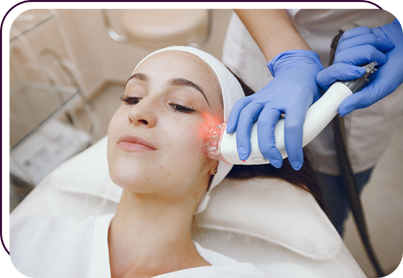
Laser treatments, such as IPL (Intense Pulsed Light) and fractional laser resurfacing, target pigmented lesions and stimulate collagen production for brighter, more even skin.
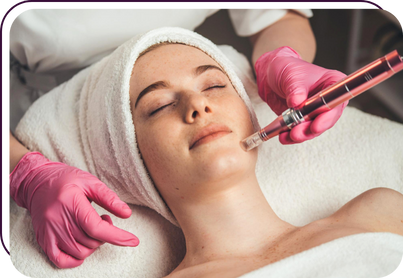
Microneedling:
Microneedling treatments create micro-injuries in the skin, triggering the body's natural healing response and promoting the production of new, healthier skin cells.
Schedule Your Pigmentation Consultation Today
If you are concerned about pigmentation, dark spots, uneven skin tone, or other changes in skin color, Lifero Skin and Hair Clinic can help you understand suitable treatment options. Contact us to schedule a consultation and receive a personalized evaluation. Treatment choice depends on the type and cause of pigmentation, skin type, and individual needs; results vary from person to person.
Frequently Asked Questions
Pigmentation problems occur when there’s an overproduction or uneven distribution of melanin—the pigment that gives your skin its color. Common causes include sun exposure, hormonal changes (like melasma), post-inflammatory hyperpigmentation (from acne or injury), and certain medications.
The most common types include:
- Melasma: Often triggered by hormones or pregnancy
- Sunspots (Lentigines): Caused by UV exposure
- Post-inflammatory Hyperpigmentation (PIH): Follows acne, cuts, or burns
- Freckles: Genetic and sun-exposure-related
Treatment depends on the type and severity of pigmentation. Options include:
- Topical creams (with ingredients like hydroquinone, retinoids, or vitamin C)
- Chemical peels
- Laser therapy or IPL (Intense Pulsed Light)
- Microneedling
- Sun protection to prevent worsening
Some treatments may cause irritation or worsen pigmentation in darker skin tones. It’s crucial to consult with a dermatologist who can recommend safe, tailored options based on your skin type and concern.
Results vary based on the treatment and individual skin condition. Topical treatments may take 4–12 weeks, while lasers or chemical peels may show results faster—but often require multiple sessions for best outcomes.